The Evolution of Digital Entertainment: Past, Present, and Future
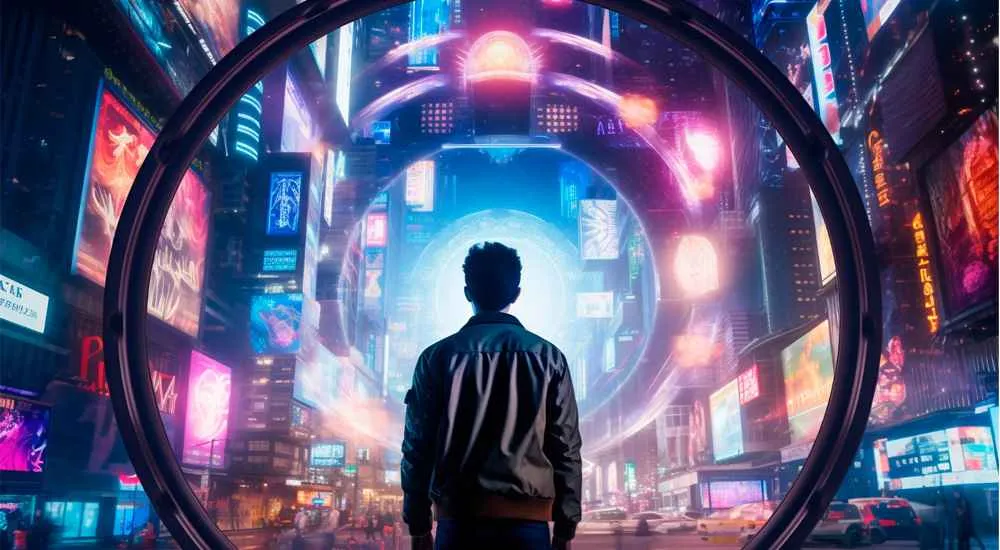
Digital entertainment has transformed dramatically over the past few decades. What once relied on television broadcasts, CDs, DVDs, and movie theaters has evolved into a vast digital ecosystem powered by streaming platforms, cloud gaming, artificial intelligence, and immersive technologies.
Today, people can access movies, TV shows, music, games, podcasts, and live events instantly from virtually anywhere. This rapid shift toward cloud-based distribution models reflects a broader demographic change analyzed inside our foundational master manual on How AI Tools Are Transforming Work, Education, and Daily Life in 2026.
The Past: Traditional Entertainment Era
Before the internet became mainstream, entertainment was primarily consumed through isolated traditional channels such as local television, analogue radio, brick-and-mortar cinemas, and physical media formats.
Characteristics of Traditional Entertainment
- Strictly scheduled, non-negotiable television programming grids
- Heavy reliance on physical media like VHS tapes, cassettes, CDs, and DVDs
- Local movie theaters acting as the primary film distribution channels
- Limited viewer control over localized content consumption parameters
- One-way communication models between creative studios and passive audiences
While these formats were revolutionary for their time, they completely lacked the flexibility, sub-second latency, and global accessibility that modern audiences now expect as a baseline.
The Present: The Streaming Revolution
The massive rise of high-speed fiber internet and mobile processing units has completely transformed the entertainment industry. Consumers now enjoy instant access to vast, centralized content repositories through low-latency streaming services and cloud digital platforms.
Major Trends Defining Entertainment Today
- Global on-demand video streaming platforms (SVOD/AVOD/FAST models)
- Lossless compression music streaming services
- Massive multiplayer online gaming communities and cloud networks
- Rapid global podcast directory growth and vertical RSS syndication
- Dynamic independent social media content creation economies
- Real-time, interactive live streaming events with second-screen overlays, capturing massive real-time audience share that parallels analytics systems deployed across the Most Watched Sports Leagues in the World 2026.
How Streaming Changed Consumer Behavior
Streaming platforms have fundamentally empowered global audiences to choose exactly what they watch, when they watch it, and how they engage with content matrices. Binge-watching culture has transformed from a casual habit into a defining feature of modern entertainment consumption, pushing networks to distribute massive series tracked within our compilation on the Most Popular TV Shows Everyone Is Watching in 2026.
- Absolute on-demand viewing bypassing corporate broadcast structures
- Algorithmic personalization and deeply accurate user recommendation feeds, evaluating platforms compared inside our detailed review of the Best Streaming Platforms for Movies and TV Shows in 2026.
- Global, multi-regional content accessibility and automated multi-lingual dubs
- Multi-device viewport compatibility (Smart TV, mobile, tablets, consoles)
- Drastically reduced consumer reliance on traditional legacy cable television
The Growth of Gaming as Entertainment
Gaming has evolved into one of the largest, highest-monetizing entertainment sectors on the planet. Modern gaming architecture includes competitive multi-regional esports leagues, real-time cloud gaming processing, persistent virtual worlds, and highly interactive branching storytelling experiences.
What was once considered a niche technical hobby has solidified into a mainstream cultural medium enjoyed by billions of highly active people globally, positioning e-gaming safely among the Top Emerging Sports Gaining Popularity Worldwide in 2026.
The Role of Artificial Intelligence
Artificial intelligence is playing an increasingly critical role in generative content creation, algorithmic recommendation layers, post-production automation workflows, and real-time audience engagement metrics tracking.
AI Applications in Entertainment
- Personalized content recommendation engines and metadata tracking processing, implementing custom scripts detailed within Future of AI Tools: Trends and Innovations to Watch in 2026.
- Automated video editing pipelines, neural rotoscoping, and swift VFX rendering, utilizing neural engines like How Artificial Intelligence Is Changing the Entertainment Industry in 2026.
- Generative music creation tools and automated digital mastering presets, deploying synthesis components built inside ElevenLabs AI Voiceover and Speech Synthesis.
- High-fidelity virtual production technologies, graphics automation systems, and asset generation assets managed via Midjourney AI Image Generation Guide.
- Deeply interactive, multi-choice branching storytelling experiences
The Future of Digital Entertainment
The next generation of entertainment media will be more immersive, intelligent, and interactive than anything previously seen. Emerging spatial computing and cognitive technologies are fully on track to permanently redefine audience experiences.
Future Trends to Watch
- Spatial Virtual Reality (VR) entertainment modules and immersive venues
- High-density Augmented Reality (AR) mixed-world interactive layers
- Multi-modal AI-generated media content and fully adaptive scripting
- Real-time procedural branching movies and TV shows
- Completely cloud-based, latency-free gaming ecosystems
- Persistent metaverse-style entertainment environments and virtual asset drops
Benefits of Digital Entertainment
- Absolute convenience, localized accessibility, and zero physical media constraints
- Instant global content discovery and exposure for multi-cultural creators
- Hyper-personalized, highly adaptive user experiences and algorithmic custom indexing
- Drastically lowered distribution costs, removing middleman pipeline margins
- Greater creative opportunities and direct-to-consumer monetization setups for indie artists
Challenges Facing the Industry
- Extreme content saturation, viewer fatigue, and cognitive choice paradox profiles
- User privacy concerns and deep compliance regulations surrounding consumer data arrays
- Complex global copyright ownership layers, smart contract safety, and licensing issues
- Ethical boundaries surrounding multi-modal AI generation, biometric cloning, and deepfakes
- Increasing platform fragmentation, intense subscription churn, and ad-delivery competition
Final Thoughts
The evolution of digital entertainment reflects the rapid pace of global technological innovation. From traditional television and physical media to streaming services, gaming platforms, and AI-powered experiences, the industry continues to reinvent itself.
As technology advances further, audiences can expect even more immersive, personalized, and interactive entertainment experiences that permanently blur the lines between creators, distribution platforms, and global consumers. Budding multi-media creators can apply this strategic mindset to launch high-ROI professional paths as outlined inside How to Start a Career in Professional Sports in 2026.
Frequently Asked Questions (FAQs)
What is digital entertainment?
Digital entertainment encompasses all forms of media consumed through digital technologies, including subscription video streaming, virtual gaming ecosystems, lossless audio, podcasts, and creator economies. Acquiring these vocational media proficiencies is essential to learn the Top Skills Students Should Learn for Future Careers in 2026.
How did streaming change entertainment?
Streaming completely replaced rigid broadcast grids with on-demand access, custom personalized recommendations pipelines, and global multi-regional content availability, shifting consumer viewing loops. Staging these high-end cloud platforms relies on adaptive online infrastructures compared in our index of the Top Online Learning Platforms for Students in 2026.
Will AI replace human creators?
AI functions as an advanced workflow assistance layer designed to accelerate tedious post-production or data tracking tasks, but authentic human creativity remains critical for emotional depth and premium storytelling. Developing these foundational production models relies on specialized tools reviewed inside our directory of the Best Free Educational Tools and Apps for Students in 2026.
What technologies will shape future entertainment?
Multi-modal artificial intelligence networks, spatial virtual reality environments, augmented reality layers, low-latency cloud gaming ecosystems, and real-time procedural media options are the core drivers of future entertainment, drawing multi-generational attention similar to marquee competitive events ranked in the Top 10 Most Popular Sports in the World in 2026.







Comments (0)