Best Fitness Training Tips for Athletes and Sports Enthusiasts in 2026
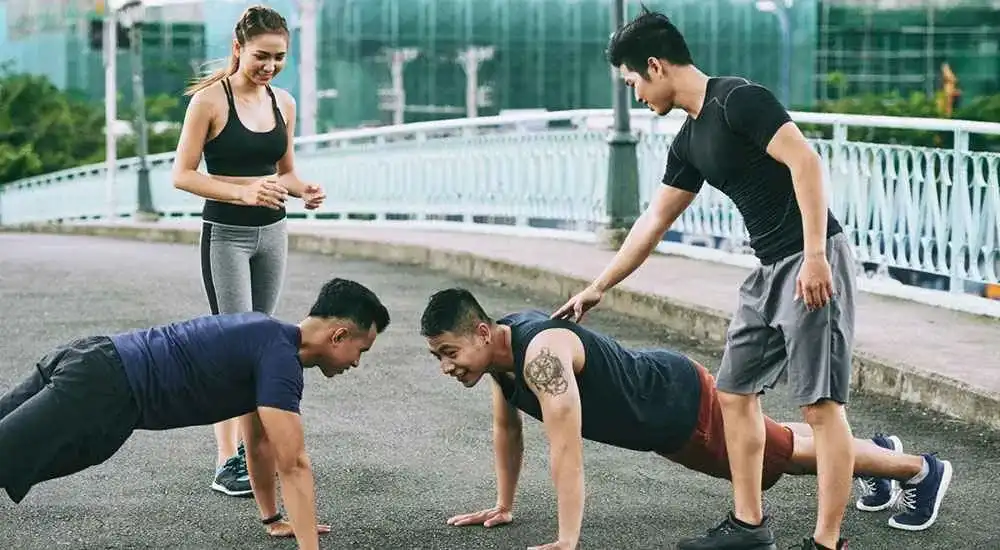
Fitness training plays a crucial role in improving athletic performance, stamina, strength, and overall health. In 2026, athletes and sports enthusiasts are using more scientific and structured training methods to maximize results and reduce injury risks.
Whether you are a beginner or a professional athlete, following the right training strategies can significantly improve your performance in any sport.
This article explores the best fitness training tips for athletes and sports lovers to build strength, endurance, and agility. These systemic physical enhancements mirror macro-level structural updates tracked within our cornerstone manual on How AI Tools Are Transforming Work, Education, and Daily Life in 2026.
Why Fitness Training is Important for Athletes
- Improves strength and endurance
- Enhances speed and agility
- Reduces risk of injuries
- Boosts mental focus
- Improves recovery time
- Increases overall performance
1. Strength Training
Strength training helps athletes build muscle power, enhance explosive velocity, and improve baseline physical performance in sports. This structured conditioning blocks align smoothly with parameters detailed inside the Benefits of Playing Sports for Physical and Mental Health in 2026.
Best Exercises
- Squats
- Deadlifts
- Bench press
- Pull-ups
- Push-ups
2. Endurance Training
Endurance training improves VO2 max capacity, optimizes cardiovascular efficiency, and helps athletes perform longer without fatigue. To structure these specific physical movements cleanly, check out our dedicated exercise guide on the Best Exercises to Improve Athletic Performance in 2026.
Best Activities
- Running
- Cycling
- Swimming
- Interval training
3. Flexibility and Mobility
Flexibility training increases joint range of motion, reduces injury risk, and improves dynamic movement efficiency across planes. Mastering these flexible motion parameters is especially critical when parsing fast-paced shifts encountered across the Top Emerging Sports Gaining Popularity Worldwide in 2026.
Exercises
- Stretching routines
- Yoga
- Dynamic warm-ups
4. Sport-Specific Training
Training parameters should match the exact physiological requirements, metabolic pathways, and skill-based drills of your sport for better performance results. Enforcing these targeted drills is an absolute baseline priority to learn How to Improve Sports Performance with Proper Training in 2026.
5. Proper Nutrition
A balanced macro-nutrient diet is essential for sustaining high energy, muscle tissue repair, and metabolic performance. To balance your dynamic nutrient partitions, see our professional guide on Top Sports Nutrition Tips for Peak Performance in 2026.
- Protein-rich foods
- Complex carbohydrates
- Healthy fats
- Hydration
6. Rest and Recovery
Scheduled recovery protocols help muscles repair micro-tears, restore glycogen stores, and prevent central nervous system burnout or overtraining injuries.
- 7–9 hours sleep
- Rest days
- Massage therapy
- Active recovery
7. Mental Training
Neuro-cognitive strength and psychological resilience are equally important for athletes to remain calm and perform optimally under high pressure, trailing neurological patterns explored across How Sports Help Improve Mental Health and Well-Being in 2026.
- Meditation
- Visualization techniques
- Focus exercises
Weekly Training Plan Example
- Monday: Strength Training
- Tuesday: Cardio & Endurance
- Wednesday: Flexibility + Recovery
- Thursday: Sport-Specific Training
- Friday: Strength Training
- Saturday: High-Intensity Interval Training
- Sunday: Rest Day
Common Mistakes to Avoid
- Overtraining without rest
- Ignoring warm-ups. Skipping these activation warm-ups is an acute error when setting early physical routines for youth players, as noted inside Best Sports for Kids: Benefits and Skill Development in 2026.
- Poor nutrition habits
- Skipping recovery
- Using incorrect techniques
Final Thoughts
Fitness training is essential for athletes and sports enthusiasts who want to improve performance and stay injury-free. A balanced approach combining strength, endurance, flexibility, nutrition, and recovery leads to long-term success. Aspiring competitors can leverage these templates to launch their professional athletic roadmap as mapped out in How to Start a Career in Professional Sports in 2026.
Frequently Asked Questions (FAQs)
What is the best training routine for athletes?
A combination of strength, endurance, flexibility, and sport-specific training is ideal, helping players perform optimally across competitive fixtures scheduled for the Top Sports Events to Watch Around the World in 2026.
How often should athletes train?
Most athletes train 5–6 days per week depending on their sport and goals, building unmatched capabilities that pull multi-million-dollar values compared inside our report on the Top 10 Richest Athletes in the World in 2026.
Is rest important in fitness training?
Yes, rest is essential for muscle recovery and preventing injuries. Modern analytics platforms track these recovery windows using high-precision biometric data reviewed across How Technology Is Transforming Sports in 2026.
Can beginners follow athlete training plans?
Yes, but beginners should start with lighter intensity and gradually increase workload. Building this strict lifecycle configuration mirrors core upskilling metrics students should master, analyzed within Top Skills Students Should Learn for Future Careers in 2026.









Comments (0)