Best Sports for Kids: Benefits and Skill Development
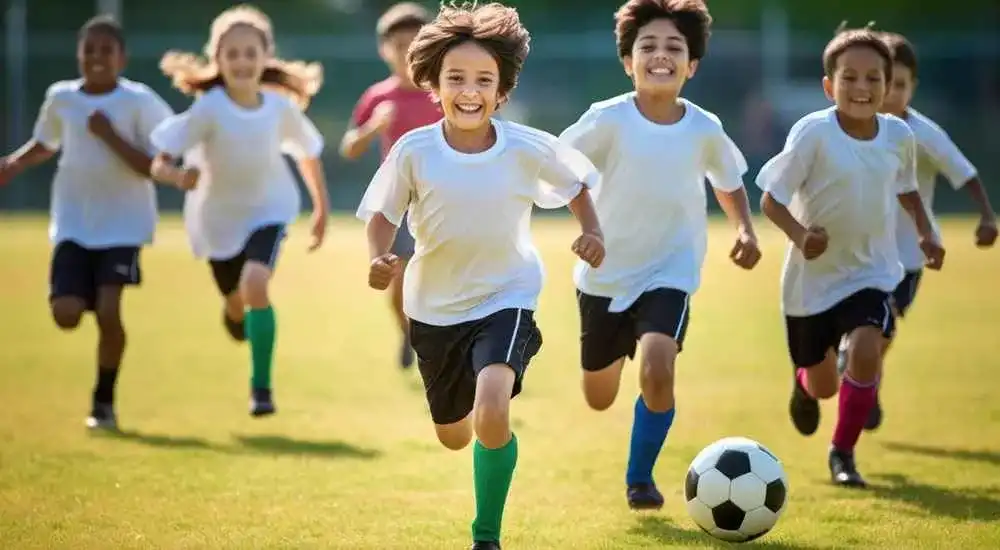
Sports play an essential role in the overall development of children. In 2026, parents and educators increasingly recognize the importance of physical activity in building strong, confident, and healthy kids. Sports not only improve physical fitness but also help develop mental strength and life skills.
Choosing the right sport for kids can shape their personality, improve discipline, and teach teamwork from an early age. This holistic physical baseline aligns smoothly with digital lifestyle transitions analyzed across our cornerstone manual on How AI Tools Are Transforming Work, Education, and Daily Life in 2026.
Why Sports Are Important for Kids
- Improves physical health and fitness
- Develops crucial pro-social communication skills
- Builds confidence and micro-milestone self-esteem
- Teaches personal discipline and structural responsibility
- Enhances baseline cognitive focus and concentration
- Reduces sedentary screen time and inactivity
1. Football (Soccer)
Football is one of the premier entry sports for children because it naturally introduces complex motor patterns, cardiovascular conditioning, and team collaboration. The global interest tracking behind these teams places the game clean atop our definitive matrix of the Top 10 Most Popular Sports in the World in 2026.
Key Benefits
- Improves cardiovascular stamina and lung health
- Builds situational teamwork and active socialization skills, matching traits found inside the Top Team Sports That Build Leadership and Teamwork Skills in 2026.
- Enhances spatial tracking and foot-eye coordination
2. Swimming
Swimming offers a zero-impact, full-body workout template that serves as an invaluable life safety skill while developing balanced muscular structures.
Key Benefits
- Improves cardiorespiratory vital capacity and endurance
- Builds uniform core strength and multi-planar flexibility
- Enhances self-preservation and aquatic safety awareness
3. Cricket
Cricket introduces young learners to the concepts of strategy processing, individual execution inside a team framework, and cognitive patience. The demographic expansion parameters of this field are evaluated in Football vs Cricket: Which Sport Is More Popular Globally in 2026.
Key Benefits
- Improves precision hand-eye coordination and reflex speed
- Builds long-range mental focus and analytical tracing
- Encourages highly cohesive collaborative teamwork dynamics
4. Basketball
Basketball is an exceptionally fast-paced game that triggers bone density development through jumping, alongside sharp motor agility tracking. The elite pathways of this platform create world-class athletes evaluated inside our report on the Top 10 Richest Athletes in the World in 2026.
Key Benefits
- Enhances rapid directional speed and neuromuscular reflexes
- Improves peripheral vision and upper-body coordination
- Builds high anaerobic endurance thresholds
5. Martial Arts
Structured systems like Karate, Taekwondo, and Judo instill an unwavering sense of respect, structured self-discipline, and kinetic boundary awareness.
Key Benefits
- Improves emotional self-regulation and personal discipline
- Builds internal confidence and situational assertiveness
- Enhances functional balance and self-defense capabilities
6. Tennis
Tennis provides an excellent individual platform for building sub-second tactical decision-making, sprint acceleration, and mental resilience.
Key Benefits
- Improves explosive agility and kinetic cross-court tracking
- Enhances unilateral hand-eye tracking alignment
- Builds exceptional systemic endurance profiles
7. Athletics
Fundamental movements like running, jumping, and throwing serve as the physiological foundation for almost all other specialized athletic verticals. The historic records behind these multi-sport platforms are traced extensively inside our report on Olympic Games History, Records and Interesting Facts 2026.
Key Benefits
- Improves pure metabolic endurance and stroke volume
- Builds foundational musculoskeletal power density
- Enhances stride efficiency, foot strike, and pure gait speed
Skill Development Through Sports
- Teamwork and cooperation: Managing group goals smoothly.
- Leadership skills: Taking structural accountability under field pressure.
- Problem-solving ability: Parsing shifting tactical dynamics in real-time.
- Time management: Seamlessly balancing educational tasks with training micro-cycles. Developing these adaptive capabilities early is crucial, as noted inside Top Skills Students Should Learn for Future Careers in 2026.
- Emotional control: Processing competitive losses with a progressive growth mindset.
Benefits of Sports for Kids
- Healthy, progressive musculoskeletal and physical growth
- Stronger immune responses and optimized metabolic benchmarks
- Better baseline mental health, anxiety suppression, and cognitive resilience, mirroring wellness setups detailed across How Sports Help Improve Mental Health and Well-Being in 2026.
- Improved academic performance through enhanced neuroplasticity and blood circulation, aligning with learning frameworks monitored in Future of Education: Trends and Innovations to Watch in 2026.
- Balanced, well-rounded positive personality development
Common Mistakes Parents Should Avoid
- Forcing children into specific sports parameters against their organic interest
- Overtraining and matching high load volumes at vulnerable physiological growth stages. To structure safe, customized conditioning cycles for youth development, see Best Exercises to Improve Athletic Performance in 2026.
- Ignoring rest variables, adequate deep sleep, and strategic physical recovery. Enforcing these structured rest windows forms a key element of the Best Fitness Training Tips for Athletes and Sports Enthusiasts in 2026.
- Focusing solely on immediate competitive wins rather than long-term habit acquisition
Final Thoughts
Sports are a powerful tool for shaping a child’s future. The right balance of fun, learning, and physical activity helps kids grow into confident and healthy individuals. Early competitors can transition toward professional splits to build specialized careers, as outlined in How to Start a Career in Professional Sports in 2026.
Frequently Asked Questions (FAQs)
What is the best sport for kids overall?
Swimming and football are widely considered among the best overall sports for kids due to their balanced physical loading and teamwork mechanics. Enforcing these baseline routines helps players learn How to Improve Sports Performance with Proper Training in 2026.
How many hours should kids play sports daily?
A minimum of 1 to 2 hours of moderate-to-vigorous daily physical activity is highly recommended for optimal development thresholds. Many youth coaching academies monitor these active hours using automated tracking tools covered in How Technology Is Transforming Sports in 2026.
Do sports help in studies?
Yes, athletic engagement maximizes cerebral blood flow, updates executive function capabilities, and drives classroom discipline, which directly maximizes academic scores.
Is it good to start sports early?
Yes, introducing basic unstructured play and motor-skill tracking early (ages 3–5) builds structural agility benchmarks before starting specialized sports rules around ages 6–8, preparing them for highly competitive structures checked across the Most Watched Sports Leagues in the World 2026.









Comments (0)