Top Sports Nutrition Tips for Peak Performance
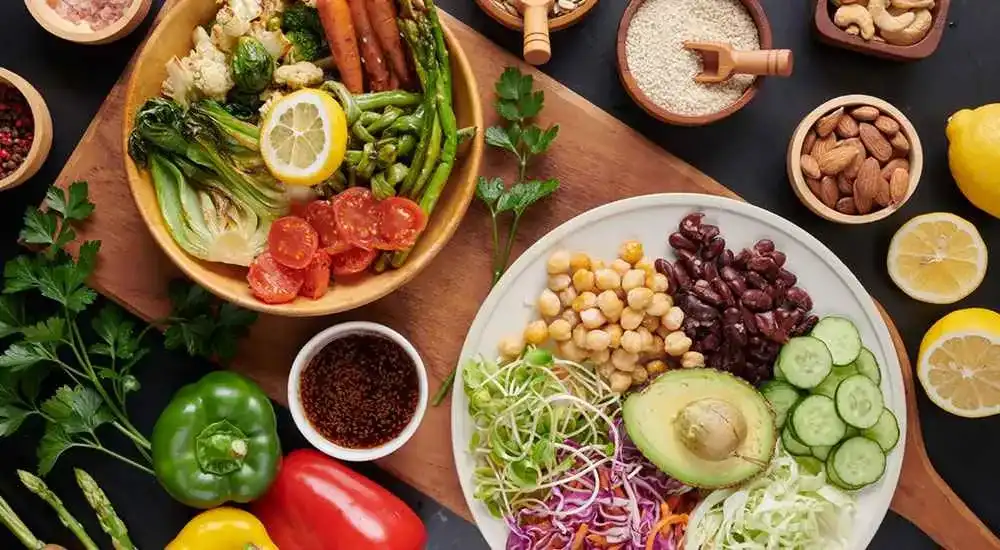
Sports nutrition plays a crucial role in athletic performance. In 2026, athletes focus not only on training but also on scientifically balanced diets to maximize strength, endurance, recovery, and overall performance.
Importance of Sports Nutrition
- Improves energy levels and cellular ATP availability during high-load training
- Enhances muscle tissue synthesis, micro-tear repair, and glycogen recovery
- Boosts physical endurance, VO2 max capacity, and sustained cardiorespiratory stamina. Implementing these specific nutrition blocks is vital to optimize How to Improve Sports Performance with Proper Training in 2026.
- Reduces acute risk of muscle injury, cramping, and systemic metabolic fatigue
Top Sports Nutrition Tips
1. Eat Balanced Macronutrients
Properly structure your dietary intake: premium carbohydrates for rapid glycogen loading, clean bioavailable proteins for systemic muscle tissue repair, and clean healthy fats for long-lasting metabolic fuel. This foundational balancing process maps clean over general health protocols detailed in Benefits of Playing Sports for Physical and Mental Health in 2026.
2. Prioritize Protein Intake
Ensure a consistent intake of high-quality protein sources like eggs, lean chicken, wild-caught fish, tofu, legumes, and dairy to drive muscle protein synthesis and promote recovery.
3. Stay Hydrated
Water and matching electrolytes are vital for optimizing fluid balance, sustaining plasma volume, maintaining cellular function, and preventing early fatigue or muscle cramps during exercise. Proper hydration routines serve as a baseline pillar for executing the Best Fitness Training Tips for Athletes and Sports Enthusiasts in 2026.
4. Eat Pre-Workout Meals
Consume a easily digestible, light meal rich in complex carbohydrates and lean proteins roughly 2–3 hours before training to maximize blood glucose levels and performance output.
5. Post-Workout Recovery Nutrition
Capitalize on the post-exercise anabolic window by consuming a high-protein, fast-absorbing carbohydrate meal within 30–60 minutes after a workout to rebuild muscle fibers rapidly.
6. Include Micronutrients
Do not ignore vitamins (Vitamin D, B-Complex) and key minerals (Iron, Calcium, Magnesium) that support immune response, structural bone density, and smooth muscular contraction tracking.
7. Avoid Processed Foods
Strictly limit ultra-processed items, refined sugars, and carbonated beverages that spike insulin uncontrollably, provoke systemic inflammation, and drag down overall training adaptation.
Best Foods for Athletes
- Oats, quinoa, brown rice, and nutrient-dense whole grains
- Free-range eggs, organic lean meats, and plant-based proteins
- Bananas, berries, and antioxidant-rich whole fruits
- Raw almonds, walnuts, chia seeds, and healthy nut options
- Unsweetened Greek yogurt and organic milk options
Common Nutrition Mistakes to Avoid
- Skipping mandatory pre-training meals, leading to early energy expenditure dips
- Not drinking enough water, inducing localized dehydration and lowering stroke volume
- Overusing synthetic powder supplements as a substitute for real, whole food matrices
- Ignoring tactical recovery nutrition immediately following high-intensity training micro-cycles. Building these meticulous dietary habits should start early during initial developmental setups, as highlighted in Best Sports for Kids: Benefits and Skill Development in 2026.
Final Thoughts
Sports nutrition is the foundation of peak athletic performance. A well-balanced diet combined with proper training helps athletes achieve maximum strength, endurance, and long-term success. Budding competitors can utilize these templates to jumpstart their progression path as mapped out in How to Start a Career in Professional Sports in 2026.
Frequently Asked Questions
What is the best diet for athletes?
A calculated, balanced diet consisting of low-glycemic carbohydrates, clean complete proteins, essential healthy fats, and a steady profile of micronutrients tailored to your specific training intensity is ideal. Many modern teams coordinate these meal profiles using automated metrics dashboards mentioned in How Technology Is Transforming Sports in 2026.
Do athletes need supplements?
Not necessarily. Whole foods should always serve as your foundational baseline layer unless specific nutritional deficiencies or extreme performance workloads require supplemental guidance from healthcare professionals.
When should athletes eat after exercise?
For optimal glycogen replenishment and accelerated muscle recovery, target eating a balanced macronutrient snack or meal within 30 to 60 minutes after concluding your workout.










Comments (0)