How to Plan a Perfect Budget-Friendly Trip Step by Step
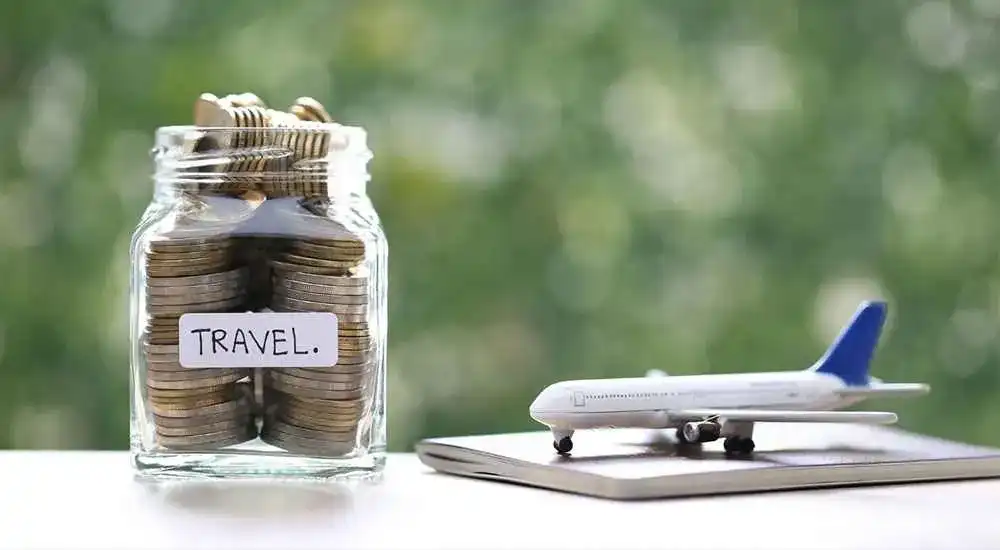
Traveling doesn’t have to be expensive. With proper planning and smart budgeting, you can enjoy incredible experiences without spending a fortune. Whether you’re planning a weekend getaway, an international vacation, or a family holiday, a budget-friendly trip allows you to explore more while keeping your finances under control.
Many travelers assume that affordable travel means sacrificing comfort, but that’s not true. By making informed choices about transportation, accommodation, food, and activities, you can enjoy memorable adventures while staying within your budget.
This step-by-step guide will help you plan the perfect budget-friendly trip in 2026.
Why Budget Travel Is More Popular Than Ever
Budget travel enables people to travel more frequently, explore new destinations, and maximize the value of every dollar spent.
- Travel more often
- Reduce financial stress
- Discover affordable destinations
- Increase travel flexibility
- Maximize vacation value
Step 1: Set Your Travel Budget
Before choosing a destination, determine how much money you’re willing to spend.
Include Expenses Such As:
- Transportation
- Accommodation
- Food and drinks
- Activities and sightseeing
- Shopping
- Emergency funds
Having a clear budget helps guide every travel decision.
Step 2: Choose an Affordable Destination
Some destinations naturally offer better value than others.
Popular Budget-Friendly Destinations
- Thailand
- Vietnam
- Indonesia
- Nepal
- Sri Lanka
- India’s Hill Stations
Research destinations where your budget can go further.
Step 3: Travel During Off-Peak Seasons
Avoiding peak travel seasons can significantly reduce expenses.
Benefits of Off-Season Travel
- Cheaper flights
- Lower hotel rates
- Fewer crowds
- Better deals on attractions
- More relaxed travel experiences
Step 4: Find Cheap Flights
Transportation often accounts for a large portion of travel expenses.
Flight Saving Tips
- Book early
- Use fare comparison websites
- Be flexible with travel dates
- Consider nearby airports
- Travel with carry-on luggage
Step 5: Choose Budget-Friendly Accommodation
Accommodation can greatly impact your overall travel budget.
Affordable Options
- Budget hotels
- Hostels
- Guesthouses
- Vacation rentals
- Homestays
Step 6: Create a Daily Spending Plan
Setting a daily budget helps prevent overspending during your trip.
Track Expenses Such As
- Meals
- Local transportation
- Attractions
- Entertainment
- Shopping
Step 7: Save Money on Food
Food expenses can quickly add up if not managed carefully.
Ways to Reduce Food Costs
- Eat at local restaurants
- Try street food
- Book accommodations with breakfast
- Carry snacks
- Limit expensive dining experiences
Step 8: Use Public Transportation
Public transportation is often cheaper and offers a more authentic travel experience.
Budget Transportation Options
- Buses
- Metro systems
- Trains
- Shared rides
- Bicycle rentals
Step 9: Prioritize Free and Low-Cost Activities
Many destinations offer incredible experiences that cost little or nothing.
Examples
- Walking tours
- Public beaches
- Parks and gardens
- Local festivals
- Historic neighborhoods
Step 10: Keep an Emergency Fund
Unexpected expenses can arise during any trip.
Emergency Budget Uses
- Medical needs
- Transportation changes
- Lost items
- Unexpected accommodation costs
- Travel delays
Sample Budget Breakdown
| Expense Category | Suggested Budget Percentage |
|---|---|
| Transportation | 30% |
| Accommodation | 30% |
| Food | 20% |
| Activities | 10% |
| Emergency Fund | 10% |
Common Budget Travel Mistakes to Avoid
- Booking flights at the last minute
- Ignoring travel insurance
- Overspending on shopping
- Not comparing hotel prices
- Failing to track daily expenses
- Underestimating transportation costs
Best Apps for Budget Travelers
- Google Maps
- Google Flights
- Skyscanner
- Booking.com
- XE Currency Converter
- TripIt
Final Thoughts
Planning a budget-friendly trip doesn’t mean compromising on experiences. With smart planning, early bookings, and careful spending, you can enjoy incredible adventures while staying within your budget.
By following these step-by-step travel planning strategies, you’ll be able to travel more often, reduce unnecessary expenses, and create unforgettable memories without financial stress.
Frequently Asked Questions (FAQs)
How much should I budget for a trip?
Your travel budget depends on your destination, travel style, and trip duration. Start by estimating transportation, accommodation, food, and activity costs.
What is the cheapest way to travel?
Traveling during off-peak seasons, using public transportation, and staying in budget accommodations can significantly reduce costs.
Should I buy travel insurance for budget trips?
Yes, travel insurance is recommended regardless of your budget because it protects against unexpected expenses.
How far in advance should I book a trip?
For the best deals, book flights and accommodations at least 2–6 months in advance whenever possible.









Comments (0)