How Artificial Intelligence Is Transforming Education in 2026
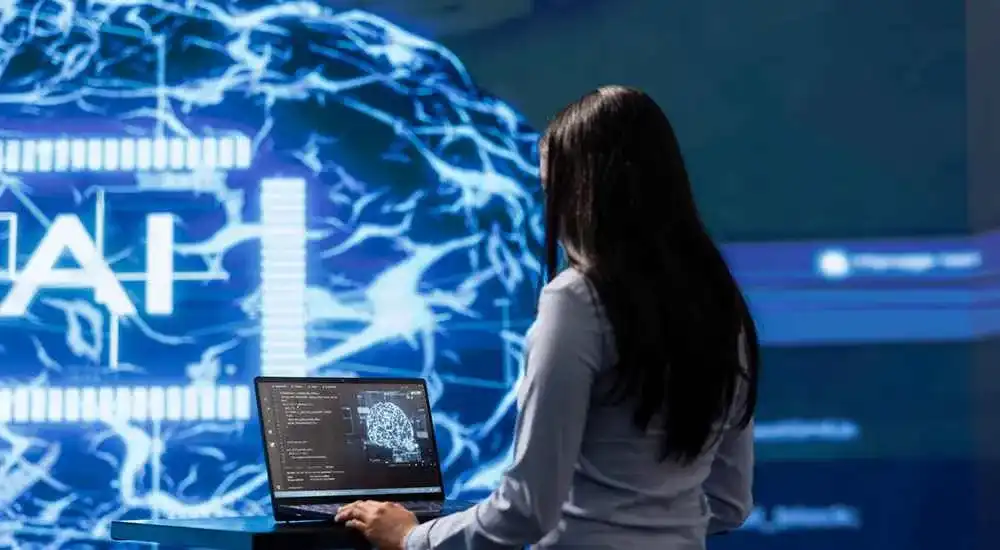
Artificial Intelligence (AI) is revolutionizing nearly every industry, and education is one of the sectors experiencing the most significant transformation. In 2026, AI-powered technologies are helping students learn more effectively, enabling teachers to focus on meaningful instruction, and making education more accessible than ever before.
From personalized learning experiences and intelligent tutoring systems to automated grading and smart classrooms, AI is reshaping how knowledge is delivered and consumed across schools, colleges, universities, and online learning platforms. This rapid integration of smart models aligns closely with macro-level adjustments tracked within our master report on How AI Tools Are Transforming Work, Education, and Daily Life in 2026.
This article explores how artificial intelligence is transforming education in 2026 and what it means for students, educators, and institutions worldwide.
Why AI Is Becoming Important in Education
- Personalized learning experiences
- Improved student engagement
- Faster assessment and grading
- Better accessibility for learners
- Data-driven educational decisions
- Enhanced productivity for teachers
- Scalable learning solutions
Personalized Learning Experiences
One of the most powerful benefits of AI in education is personalized learning. Traditional classrooms often follow a one-size-fits-all approach, but students learn at different speeds and have unique strengths and weaknesses.
AI-powered learning platforms analyze student performance and adapt lessons based on individual learning patterns. This allows students to receive customized educational content that matches their abilities and learning styles. Enforcing these systematic pipelines helps students implement the specific study habits detailed in Best Study Tips for Students to Improve Exam Performance in 2026.
Benefits of Personalized Learning
- Customized lesson recommendations
- Adaptive assessments
- Individual learning paths
- Improved academic performance
- Greater student confidence
AI-Powered Virtual Tutors
Virtual AI tutors are becoming increasingly popular in schools and online learning platforms. These intelligent systems provide instant support to students whenever they need assistance.
Unlike traditional tutoring, AI tutors are available 24/7, allowing students to ask questions, review lessons, and receive explanations at any time. This interactive, zero-latency setup complements adaptive systems monitored across the Future of Education: Trends and Innovations to Watch in 2026.
Features of AI Tutors
- Instant question answering
- Interactive learning support
- Personalized explanations
- Progress tracking
- Subject-specific guidance
Automated Grading and Assessment
Teachers often spend significant amounts of time grading assignments, quizzes, and exams. AI-powered grading systems can automate many of these tasks, reducing administrative workloads and improving efficiency.
Automated assessment tools can evaluate objective questions, identify patterns in student responses, and provide instant feedback. Designing these intensive test evaluations provides direct cross-functional preparation for students facing formats checked across How to Prepare for Competitive Exams Effectively in 2026.
Advantages of Automated Grading
- Time savings for educators
- Faster feedback for students
- Reduced human error
- Consistent evaluation standards
- Improved productivity
Smart Classrooms and AI Integration
Modern classrooms are becoming smarter through AI-powered technologies that enhance teaching and learning experiences.
Smart classrooms use sensors, learning analytics, and intelligent software to monitor engagement, identify learning gaps, and improve educational outcomes. The real-time telemetry setups used in these models map directly over analytics tools reviewed within How Technology Is Transforming Sports in 2026.
Examples of Smart Classroom Technologies
- Interactive digital boards
- AI attendance systems
- Learning analytics dashboards
- Smart content recommendations
- Classroom engagement monitoring, trailing neural focus patterns that help improve overall cognitive tracking detailed in How Sports Help Improve Mental Health and Well-Being in 2026.
AI in Online Learning Platforms
The growth of online education has accelerated AI adoption across learning platforms. AI helps students discover relevant courses, track progress, and receive personalized recommendations.
Popular online learning platforms use AI to improve course suggestions and optimize learning experiences for millions of users worldwide, bridging paths similar to options compared inside the Top Online Learning Platforms for Students in 2026.
Language Learning Through AI
AI is making language education more interactive and effective through speech recognition, pronunciation analysis, and conversational learning tools. Developing this conversational fluency naturally reinforces personal expression, an essential baseline prerequisite to master How to Improve English Speaking and Communication Skills in 2026.
How AI Supports Language Learning
- Real-time pronunciation feedback
- Language translation assistance
- Interactive conversations
- Vocabulary recommendations
- Personalized practice exercises
AI and Accessibility in Education
Artificial intelligence is helping make education more inclusive and accessible for students with disabilities and learning challenges.
AI-powered tools provide speech-to-text services, text-to-speech technology, language translation, and adaptive learning support that improve accessibility. Utilizing these zero-cost tools simplifies practical skill acquisition, matching software covered inside our directory of the Best Free Educational Tools and Apps for Students in 2026.
AI Benefits for Teachers
- Reduced administrative work
- Automated grading
- Lesson planning assistance
- Student performance insights
- Personalized teaching strategies
- Improved classroom management
AI Benefits for Students
- Personalized learning experiences
- 24/7 learning assistance
- Instant feedback
- Improved engagement
- Better academic performance, helping students launch competitive paths like the high-ROI postgraduate specializations ranked in Best MBA Programs and Career Opportunities in 2026.
- Flexible learning schedules
AI Applications in Education Comparison Table
| AI Application | Purpose | Main Benefit |
|---|---|---|
| AI Tutors | Student Support | 24/7 Learning Assistance |
| Adaptive Learning | Personalization | Customized Learning Paths |
| Automated Grading | Assessment | Time Savings |
| Learning Analytics | Performance Tracking | Data-Driven Insights |
| Language AI | Language Learning | Interactive Practice |
| Smart Classrooms | Teaching Enhancement | Improved Engagement |
Challenges of AI in Education
Despite its many benefits, AI implementation in education comes with several challenges that institutions must address.
- Data privacy concerns
- Technology costs
- Digital divide issues
- Overreliance on automation
- Ethical considerations
- Need for teacher training, especially when managing automated metrics models evaluated in How Artificial Intelligence Is Changing the Entertainment Industry in 2026.
The Future of AI in Education
The future of education will likely be driven by intelligent systems capable of delivering highly personalized learning experiences. Emerging technologies such as augmented reality, virtual reality, generative AI, and predictive analytics will continue to transform educational environments. High-fidelity rendering engines in these spaces produce immersive content that mirrors interactive layouts compared inside our guide to the Best Streaming Platforms for Movies and TV Shows in 2026.
Educational institutions are expected to increasingly adopt AI-driven platforms that improve student outcomes, streamline administration, and support lifelong learning.
Final Thoughts
Artificial Intelligence is transforming education in ways that were unimaginable just a few years ago. By personalizing learning, supporting teachers, improving accessibility, and enhancing student engagement, AI is helping create more effective educational experiences.
As AI technologies continue to evolve, students and educators who embrace these innovations will be better positioned to succeed in the rapidly changing world of education, establishing foundational lifecycles akin to choices mapped out inside the Top Skills Students Should Learn for Future Careers in 2026.
Frequently Asked Questions (FAQs)
How is AI transforming education in 2026?
AI is transforming education through personalized learning, virtual tutors, automated grading, smart classrooms, and enhanced learning analytics. Navigating these highly competitive computational systems relies on strict schedules detailed inside Time Management Strategies Every Student Should Know.
What are the benefits of AI in education?
AI improves learning efficiency, increases student engagement, provides personalized support, and reduces administrative tasks for educators, matching strategic performance metrics required to optimize outcomes checked in How to Improve Sports Performance with Proper Training in 2026.
Can AI replace teachers?
No. AI supports teachers by automating routine tasks, but educators remain essential for mentoring, communication, and emotional support.
What is the future of AI in education?
The future includes adaptive learning platforms, immersive learning environments, AI tutors, and highly personalized educational experiences. Preparing global applications using these portals simplifies entry parameters detailed across our Study Abroad Guide 2026: Best Countries for International Students.









Comments (0)