How Sports Help Improve Mental Health and Well-Being
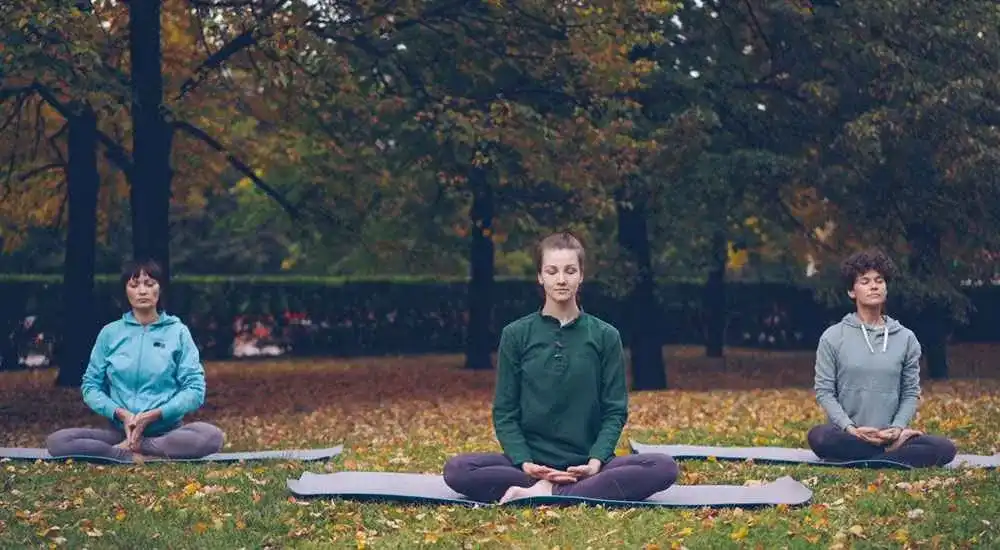
Sports are not only beneficial for physical fitness but also play a powerful role in improving mental health and emotional well-being. In 2026, more research confirms that regular physical activity can significantly reduce stress, anxiety, and depression.
How Sports Improve Mental Health
1. Reduces Stress Levels
Physical activity lowers cortisol and adrenaline production (the primary stress hormones), while activating the parasympathetic nervous system to help the body relax naturally.
2. Boosts Happiness Hormones
Engaging in sports increases the synthesis of endorphins, dopamine, and serotonin—neurotransmitters that improve mood, block pain receptors, and create a sustainable sense of deep happiness. This neural optimization matches the foundational body goals analyzed in the Benefits of Playing Sports for Physical and Mental Health in 2026.
3. Improves Self-Confidence
Achieving structured fitness goals, learning complex rules, and overcoming field challenges directly boosts long-term self-esteem, self-efficacy, and social confidence.
4. Helps Fight Anxiety and Depression
Regular kinetic exercise supports optimal brain chemistry balance, serves as a constructive distraction from negative thought cycles, and drastically lowers clinical anxiety markers.
5. Enhances Sleep Quality
Active individuals experience significantly deeper slow-wave sleep cycles, stabilized circadian rhythms, and smoother transition states into restful patterns. Proper circadian alignment is a fundamental element covered in our macro tracking of Top Sports Nutrition Tips for Peak Performance.
Team Sports vs Individual Sports
The choice between community-based play and singular tracking fields shifts your psychological adaptation tracks.
- Team Sports: Enhance pro-social communication, build trust networks, reduce loneliness, and establish accountability. To see how these setups build structural real-world value, check out the Top Team Sports That Build Leadership and Teamwork Skills in 2026.
- Individual Sports: Build intense mental discipline, sharp internal focus, self-awareness, and personal problem-solving capabilities.
Best Sports for Mental Well-Being
- Yoga and Meditation-based dynamic sports
- Running, Jogging, and Stride conditioning
- Swimming (Rhythmic aerobic flow)
- Football, Cricket, and Basketball. The global demographic pull and strategic growth lines of these massive networks are compared in Football vs Cricket: Which Sport Is More Popular Globally in 2026.
- Cycling, Hiking, and Outdoor trail navigation
Scientific Link Between Sports and Brain Health
Exercise significantly maximizes cerebral blood flow, updates spatial executive function, drives brain-derived neurotrophic factor (BDNF) release, and supports the growth of new cells in the hippocampus, which enhances overall cognitive performance and memory mapping. Many modern teams use automated metrics dashboards to monitor these exact biomarkers, detailing How Technology Is Transforming Sports in 2026.
Daily Routine Benefits
- Better emotional self-regulation and impulse control
- Reduced cortisol accumulation, suppressed stress, and low anger points
- Improved classroom attention, focus spikes, and daily productivity parameters. Developing these strategic learning competencies early is crucial, as noted in the Top Skills Students Should Learn for Future Careers in 2026.
- Higher baseline metabolic levels and daytime energy thresholds
Final Thoughts
Sports are a natural and effective way to improve mental health and overall well-being. Whether it’s a simple walk, gym workout, or team sport, staying active leads to a healthier and happier life. Aspiring athletes can leverage data-driven workout blocks to initiate their development loop as mapped out in How to Start a Career in Professional Sports in 2026.
Frequently Asked Questions
Can sports help with depression?
Yes, regular sports activity helps reduce symptoms of depression naturally by releasing endorphins and balancing key neurotransmitters like serotonin. To structure these physiological training phases effectively, browse the Best Fitness Training Tips for Athletes and Sports Enthusiasts in 2026.
How often should I play sports for mental health?
At least 3 to 5 times per week for 30–60 minutes is highly recommended by experts for noticeable psychological and emotional benefits, a habit that should be introduced early during initial setups, as covered in Best Sports for Kids: Benefits and Skill Development in 2026.
Is walking enough for mental health?
Yes, even daily brisk walking can significantly lower cortisol levels, improve mood, clear brain fog, and reduce systemic stress. This low entry cost barrier mirrors rapid physical tracking shifts observed within the Top Emerging Sports Gaining Popularity Worldwide in 2026.










Comments (0)