Top Team Sports That Build Leadership and Teamwork Skills in 2026
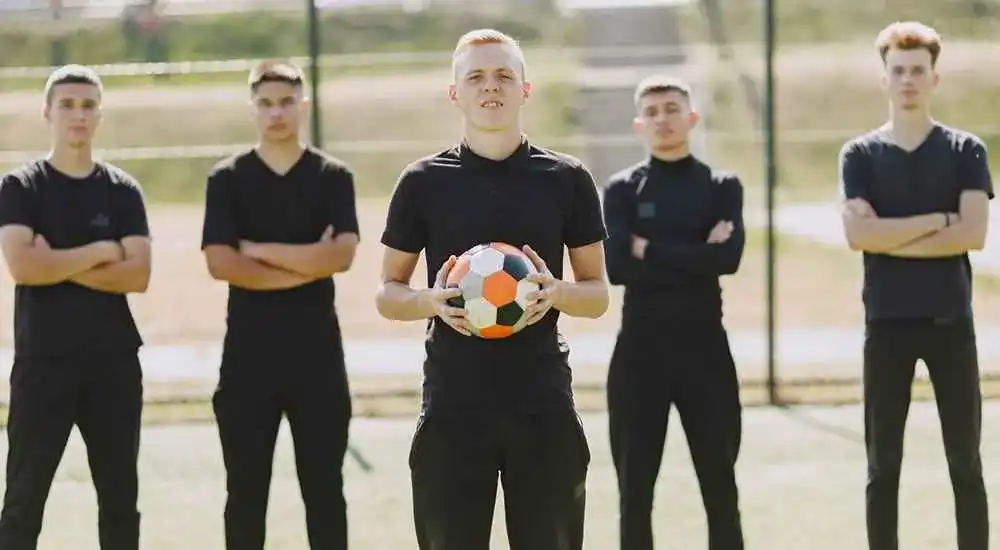
Team sports are not only about physical activity and competition; they are powerful tools for developing leadership, communication, discipline, and teamwork skills. In 2026, sports continue to play a major role in shaping personality and professional success.
Whether you are a student, athlete, or working professional, participating in team sports can significantly improve your ability to collaborate, lead, and perform under pressure. This organizational transition aligns cleanly with multi-platform tracking frameworks evaluated inside our master overview on How AI Tools Are Transforming Work, Education, and Daily Life in 2026.
Why Team Sports Are Important for Skill Development
- Improve communication skills
- Build leadership qualities
- Enhance discipline and focus
- Encourage teamwork and cooperation
- Develop problem-solving ability
- Increase confidence and motivation
1. Football (Soccer)
Football is one of the best sports for learning teamwork, non-verbal strategy communication, spatial collaboration, and captaincy leadership under extreme time constraints. The staggering multi-continental interest behind these clubs positions the game cleanly atop the Top 10 Most Popular Sports in the World in 2026.
2. Basketball
Basketball requires sub-second decision-making, defensive tracking coordination, and lightning-fast communication among team members to execute high-intensity plays. The professional paths here create world-class business icons compared inside our report on the Top 10 Richest Athletes in the World in 2026.
3. Cricket
Cricket teaches patience, data-backed field placement strategy, individual role execution inside a team layout, and tactical captaincy management parameters. The macroeconomic growth and commercial velocity profiles of this discipline are compared in Football vs Cricket: Which Sport Is More Popular Globally in 2026.
4. Volleyball
Volleyball improves spatial coordination, instant trust building, and quick rotation-based teamwork execution where no single player can dominate alone.
5. Hockey
Hockey builds peak physical stamina, stick-handling discipline, rapid transition response, and highly structured tactical teamwork skills.
6. Rugby
Rugby develops authentic collaborative leadership, situational resilience under high physical load, and unwavering mental and group strength parameters.
7. Baseball
Baseball focuses on structural game strategy, high-precision situational defense roles, and precise individual decision-making frameworks.
8. Handball
Handball enhances swift physical agility, defensive wall coordination, and rapid group collaboration skills across constant possession shifts.
9. Kabaddi
Kabaddi builds lightning-quick tactical thinking, unified defensive grip coordination, target tracking, and high physical endurance properties.
10. Relay Running
Relay races teach precise handoff timing, mutual trust thresholds, and flawless speed coordination among absolute dependency loops. The tracking records underpinning these classic athletic events form a central focus inside our anthology on Olympic Games History, Records, and Interesting Facts.
Key Leadership Skills Learned from Sports
- Decision-making under high-pressure scenarios
- Team coordination and proactive accountability matching
- Responsibility sharing and workload delegation limits
- Motivating teammates during unfavorable match deficits
- Handling wins and losses with an iterative growth mindset
Benefits of Playing Team Sports
- Better mental health and stress suppression, trailing chemical balances detailed across How Sports Help Improve Mental Health and Well-Being in 2026.
- Improved physical fitness, stamina, and agility profiles. Enforcing structured split programs optimizes these attributes, matching principles covered in the Best Exercises to Improve Athletic Performance in 2026.
- Stronger pro-social communication and networking skills
- Reduced cortisol levels and improved cardiovascular capacity
- Increased baseline life discipline and structural consistency
Final Thoughts
Team sports are essential for overall personality development. They teach real-life skills that go beyond the field, helping individuals become better leaders, communicators, and collaborators across corporate and personal timelines. Aspiring competitors can implement specific training microcycles to scale their vocational journeys, as outlined in How to Start a Career in Professional Sports in 2026.
Frequently Asked Questions (FAQs)
Which sport builds the strongest teamwork skills?
Football, basketball, and cricket are widely considered the best sports for comprehensive teamwork development due to their heavy reliance on multi-role coordination loops, pulling viewers to high-stakes leagues compared inside the Most Watched Sports Leagues in the World 2026.
Can team sports improve leadership skills?
Yes, team sports naturally develop executive leadership qualities through real-time communication tracking, conflict resolution, and situational game planning adjustments. Many top franchises implement tactical loops using analytics systems reviewed in How Technology Is Transforming Sports in 2026.
Are team sports good for students?
Yes, athletic engagement maximizes physical discipline, updates personal confidence, and fosters pro-social communication skills valuable in educational paths. Developing these collaborative competencies early mirrors learning frameworks analyzed within Top Skills Students Should Learn for Future Careers in 2026.
Which sport is best for personality development?
Football and basketball serve as excellent foundational sports for overall personality growth, combining individual mechanical accountability with strategic group execution. Introducing kids to these playing fields early drives long-term motor skills development, as shown inside Best Sports for Kids: Benefits and Skill Development in 2026.







Comments (0)