How to Improve Sports Performance with Proper Training
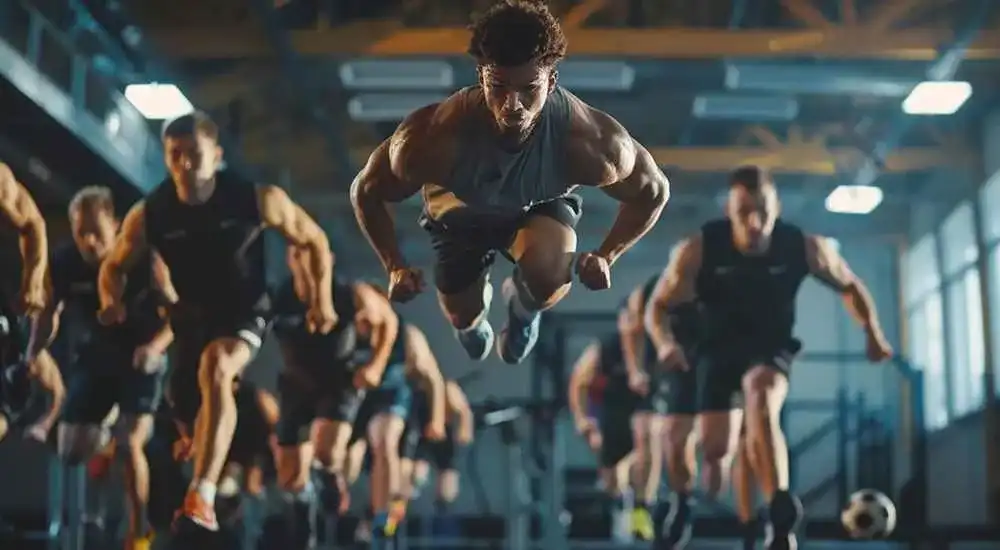
Improving sports performance requires more than just practice. Athletes must follow structured training programs that include strength development, endurance building, skill improvement, nutrition, and recovery strategies.
In 2026, sports training has become more scientific, using data, analytics, and advanced fitness techniques to maximize performance and reduce injuries. This extensive digitization mirrors macro shifts tracked within our cornerstone guide on How AI Tools Are Transforming Work, Education, and Daily Life in 2026.
1. Strength Training for Athletes
Strength training helps improve muscle power, myofibrillar recruitment, mechanical leverage, and kinetic velocity. It serves as the physical benchmark baseline for almost every sport, aligning perfectly with structural conditioning frameworks mapped inside the Benefits of Playing Sports for Physical and Mental Health in 2026.
Key Exercises
- Squats
- Deadlifts
- Bench press
- Pull-ups
- Lunges
2. Improve Cardiovascular Endurance
Cardiorespiratory and endurance training enhances aerobic capacity (VO2 max), optimizes stroke volume, and helps athletes maintain energy levels during grueling matches. To execute these periodized split blocks cleanly, browse our curated manual on the Best Exercises to Improve Athletic Performance in 2026.
Effective Methods
- Running and jogging
- Cycling
- Swimming
- Interval training (HIIT)
3. Skill-Specific Practice
Every dynamic field sport requires specialized motor skills, spatial orientation, and reaction tracks that must be practiced regularly to achieve technical mastery.
- Ball control and tactical parsing for football
- Release alignment and shot accuracy for basketball
- Mechanical tracking and serving practice for tennis
- Stance distribution and batting drills for cricket. The structural global footprint of these specific team pursuit disciplines is compared in Football vs Cricket: Which Sport Is More Popular Globally in 2026.
4. Proper Nutrition for Performance
Targeted nutrition partition plays a foundational key role in glycogen replenishment, cellular repair, ATP production, and systemic performance. To balance your daily macro targets, see our dedicated handbook on Top Sports Nutrition Tips for Peak Performance in 2026.
- High-protein clean sources for tissue repair
- Complex carbohydrates for steady glycogen stores
- Healthy fats for optimal joint and cellular health
- Hydration strategies with precise water and electrolytes load balance
5. Rest and Recovery
Physiological recovery protocols are just as critical as raw muscle straining because it allows muscle micro-tears to repair and grow significantly stronger. Enforcing these recovery cycles is an absolute baseline priority for the training microcycles detailed inside the Best Fitness Training Tips for Athletes and Sports Enthusiasts in 2026.
- 7–9 hours of deep slow-wave sleep
- Rest days strategically interspersed between high-intensity blocks
- Active recovery through light stretching and yoga
- Targeted myofascial release, massage, and professional physiotherapy
6. Mental Conditioning
Establishing a highly resilient neuro-cognitive mindset helps field players process situational pressure and perform optimally when stakes are maximum. These neurological patterns connect deeply with emotional wellness metrics explored across How Sports Help Improve Mental Health and Well-Being in 2026.
- Visualization and neuro-spatial mapping techniques
- Meditation and parasympathetic breathing exercises
- Attentional focus and sensory filtering training
- Cortisol suppression and stress management models
7. Use of Modern Technology in Training
High-precision digital equipment, hardware sensors, and algorithmic tracing setups play a major transformative role in metrics mapping and tracking daily progress, highlighting exactly How Technology Is Transforming Sports in 2026.
- Biometric tracking wearables and GPS vest modules
- Real-time performance analytics dashboards and apps
- High-speed video capture and motion analysis tools
- AI-powered adaptive coaching and simulation systems
Benefits of Proper Training
- Improved core muscular strength and physical stamina
- Better situational agility, spatial tracking, and velocity speed, crucial competencies for athletes dominating within the fast-paced frameworks of the Top Emerging Sports Gaining Popularity Worldwide in 2026.
- Reduced acute risk of muscular tear or joint injury
- Faster systemic recovery time and lower muscle fatigue profiles
- Higher long-term competitive match performance and career longevity
Common Training Mistakes to Avoid
- Overtraining without adequate structural rest parameters
- Ignoring specialized micro and macro nutrition parameters
- Skipping dynamic warm-ups and activation drills. Bypassing these fundamentals is a critical error when preparing young players during entry-level development setups, as noted inside Best Sports for Kids: Benefits and Skill Development in 2026.
- Improper exercise execution technique under high load volumes
- Lack of systematic consistency across training micro-cycles
Final Thoughts
Improving sports performance is an interconnected combination of strict physical discipline, smart calculated training parameters, and recovery management. Athletes who integrate structured protocols with balanced nutrition and neuro-cognitive conditioning can significantly scale up their physical benchmarks. Ambitious competitors can leverage these models to jumpstart their progression line, as outlined in How to Start a Career in Professional Sports in 2026.
Frequently Asked Questions (FAQs)
What is the best way to improve sports performance?
Balanced, data-driven training including progressive strength adaptation, cardiorespiratory endurance blocks, specialized skill practice, and proper recovery protocols is the ultimate approach. Developing these collaborative team strategies mirrors milestones encounter within the Top Team Sports That Build Leadership and Teamwork Skills in 2026.
How important is diet for athletes?
Diet is extremely critical as it fuels baseline cellular performance, drives ATP synthesis, optimizes tissue recovery, and prevents clean energy dips during matches. This rigorous fuel intake prepares them for premium, high-octane fixtures scheduled across the Top Sports Events to Watch Around the World in 2026.
Can beginners follow professional training plans?
Yes, but beginners must scale down the initial volume loads, start gradually under safe thresholds, and progressively increase intensity over cycles. Building this strict lifecycle foundation mirrors basic learning parameters detailed inside Top Skills Students Should Learn for Future Careers in 2026.
How long does it take to improve athletic performance?
While neuro-muscular adaptation and consistency can show initial improvements within 3 to 4 weeks, structural endurance and physical mastery require months of disciplined conditioning loops. This meticulous preparation paths help historical icons secure high spots across indices like the Most Successful Athletes of All Time and Their Achievements in 2026.









Comments (0)